Key takeaways
- ✓Under MLC Regulation 4.1, seafarers must have access to prompt medical care on board and ashore, generally at no cost to them.
- ✓Under Regulation 4.2, the shipowner pays the costs of sickness and injury linked to the job, including medical care and board and lodging.
- ✓Liability for medical care and for sick pay may be limited by national law, but to no less than 16 weeks from the start of the injury or sickness.
- ✓Since 2017 shipowners must also hold financial security (insurance) for contractual claims for death or long-term disability.
- ✓Private yachts and self-employed delivery crew may fall outside the MLC — then your contract and own insurance decide.
What the MLC guarantees
| Topic | MLC 2006 | In practice |
|---|---|---|
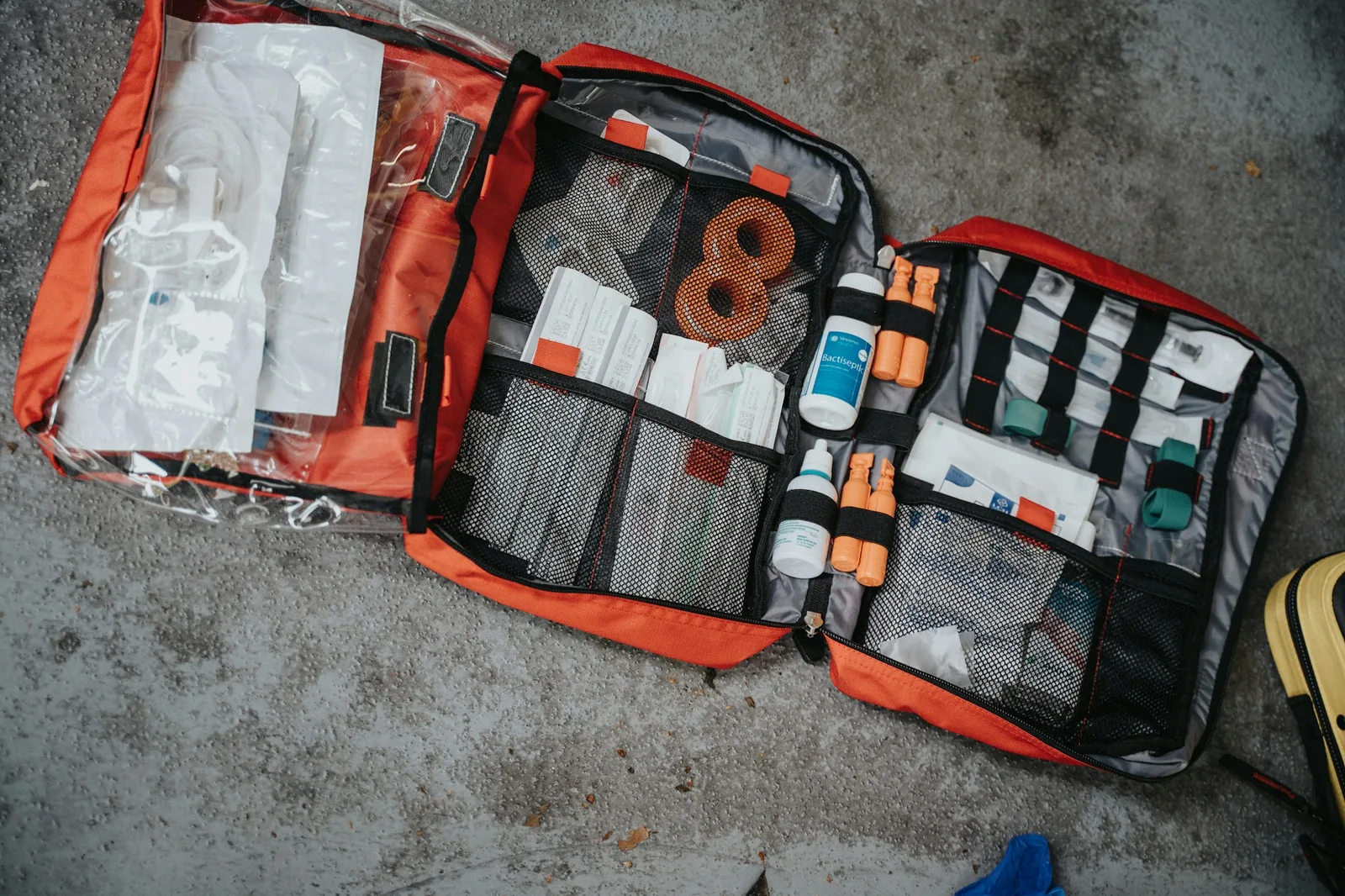
| Medical care on board and ashore | Regulation 4.1 — prompt access, generally free of charge | Medical chest, trained person on board, telemedical advice, a doctor in port |
| Costs of sickness and injury | Regulation 4.2 — shipowner liability | Treatment, medicines, board and lodging until recovery or repatriation |
| Sick pay | Full wages while on board; limits ashore set by national law, at least 16 weeks | Check the sick-pay clause in your agreement |
| Death or long-term disability | Financial security required (2014 amendments, in force 2017) | Insurance certificate kept on board |
| Getting home | Regulation 2.5 — repatriation at no cost to the seafarer | Flights home paid by the shipowner |
What to check in your contract
- •Which flag the yacht is under and whether it is MLC-certified (commercial yachts usually are)
- •Medical insurance: who provides it, does it cover you on leave and ashore, and in which countries
- •Sick pay: how long full wages continue if you are signed off ill or injured
- •Repatriation: flights home if you are sick, injured or the contract ends early
- •Dental and emergency evacuation cover
Ask for the insurance details in writing. Many yacht crew policies cover worldwide medical treatment, evacuation and repatriation — but limits and exclusions vary.
Private yachts and short delivery jobs
Privately used pleasure yachts and genuinely self-employed delivery crew are often outside the MLC. In that case your protection depends on your contract, the yacht’s insurance and your own travel or health insurance.
Before a delivery, agree who pays for medical treatment and the flight home if something goes wrong, and carry your own insurance that covers sailing offshore.
Staying fit to work
- •Keep your ENG1 or flag-state medical valid — it can lapse early if your health changes
- •Tell the captain about medication and allergies before a passage
- •Keep copies of your medical records and insurance card in your phone and passport folder
Frequently asked questions
Does a yacht owner have to pay for crew medical care?+
On yachts covered by MLC 2006, yes. The shipowner must give access to medical care on board and ashore, generally free of charge, and pay the costs of sickness and injury linked to the job.
How long do yacht crew get sick pay?+
Full wages while you remain on board. After that, national law may limit sick pay and medical costs, but to no less than 16 weeks from the start of the injury or sickness.
Do private yachts follow the MLC?+
Often not. The MLC covers ships ordinarily engaged in commercial activities. Privately used yachts may be outside it, so the contract and insurance decide your protection.
Do I need my own insurance as delivery crew?+
If you are self-employed, usually yes. Agree in writing who pays medical costs and flights home, and carry insurance that covers you offshore.
Sources
- ILO — Maritime Labour Convention, 2006
- ILO MLC FAQ — What costs are included under shipowners’ liability?
- GOV.UK — MGN 482 Amendment 2: MLC 2006 medical care
- GOV.UK — MGN 480 Amendment 3: shipowners’ liabilities
- The Shipowners’ Club — Shipowners’ liability under MLC 2006
- MLC 2006 Seafarer Employment Agreements (Maritime Delivery guide)
- ENG1 medical certificate guide (Maritime Delivery guide)
Put it to work