Key takeaways
- ✓CTVs carry technicians and cargo to offshore wind turbines, usually on day trips from a port near the wind farm.
- ✓Typical roles: skipper/master, mate, deckhand and deckhand/engineer.
- ✓Employers usually ask for STCW basics plus GWO training (Sea Survival, Working at Heights, Manual Handling, First Aid, Fire Awareness).
- ✓Rotations such as 2 weeks on / 2 weeks off or 4 on / 2 off are common.
- ✓Yacht, workboat and fishing experience transfers well — especially boat handling and safe transfers.
What the job looks like
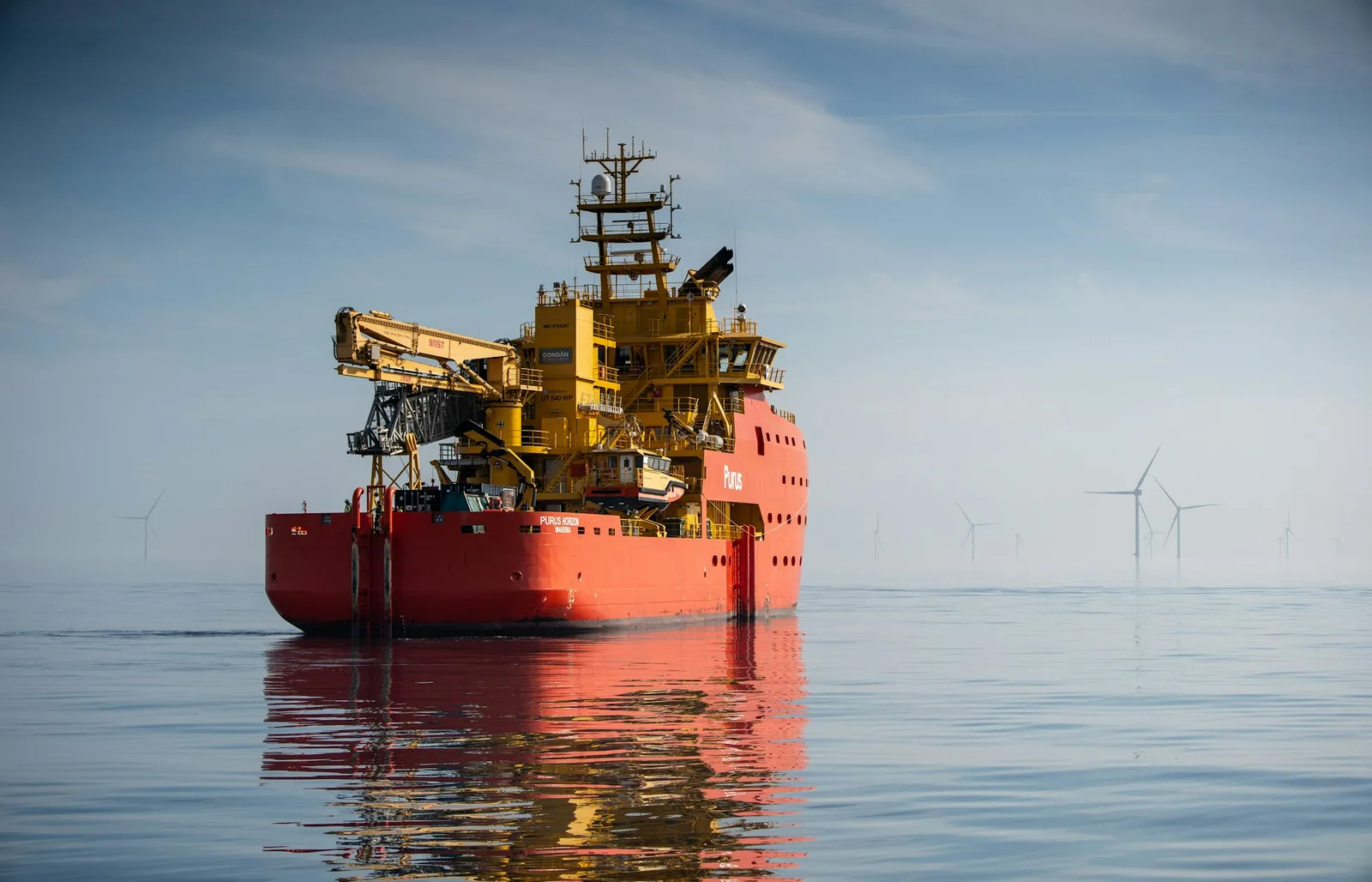
A typical CTV day starts early in port with checks, a weather and sea-state review and a safety briefing. The boat carries a group of wind turbine technicians and their equipment to the wind farm, pushes its fendered bow against the turbine’s boat landing, and holds position while people transfer to the ladder. During the day the CTV may move teams between turbines, deliver parts or stand by, then brings everyone back in the afternoon.
Sea state limits matter: transfers stop when waves are too high for a safe step-over, so weather, planning and precise boat handling are central to the job.
Roles on a CTV
| Role | Main duties | Usually asked for |
|---|---|---|
| Skipper / master | Navigation, safe transfers, crew and passenger safety, planning | Master (<24 m / <500 GT) or Yachtmaster Offshore/Ocean commercially endorsed, radar, CTV experience preferred |
| Mate | Watchkeeping, supporting the skipper, transfers | Navigation certificate suited to the vessel, STCW, GWO |
| Deckhand | Mooring, lines, cargo, passenger transfer, lookout, cleaning | STCW Basic Safety, GWO modules, Navigational Watch Rating or equivalent (varies by flag) |
| Deckhand / engineer | Deck work plus daily engine checks and maintenance | Approved Engine Course (e.g. AEC 1/2) or similar, engine experience |
GWO training most employers ask for
- •GWO Basic Safety Training (BST) modules: Sea Survival, Working at Heights, Manual Handling, First Aid and Fire Awareness.
- •Some roles add GWO Lift (crane) or banksman/slinger training for cargo.
- •Plus the usual maritime basics: STCW Basic Safety Training and a valid seafarer medical (e.g. ENG1).
GWO certificates have validity periods and need refresher courses. Track their expiry the same way you track STCW and medical certificates.
Rotations and pay
CTV crews often work rotations such as 2 weeks on / 2 weeks off, 3 on / 3 off or 4 on / 2 off, living near the operating port during the working period. Pay is quoted either per day or as an annual salary and differs a lot between countries and employers. Published job posts in the UK have shown skipper salaries in the range of roughly £40,000–£50,000 a year, and deckhand day rates vary with experience and certificates.
Compare the whole package: rotation, accommodation and travel during rotation, overtime for long days, training paid by the employer and the route to skipper.
Moving in from yachts, fishing or workboats
- •Highlight boat-handling experience in tight spaces and in swell — it is the core skill.
- •Log your sea time properly; it supports the next certificate.
- •Book the GWO modules before applying — it shows commitment and saves the employer time.
- •Get a commercial endorsement for your Yachtmaster where needed.
- •Show safety culture: drills, risk assessments and incident-free track record.
Frequently asked questions
What is a CTV in offshore wind?+
A crew transfer vessel: a fast catamaran, typically 20–30 metres, that carries technicians, tools and parts from port to offshore wind turbines and lets people step across to the turbine safely.
Which certificates do I need to work on a CTV?+
Usually STCW Basic Safety Training, a seafarer medical, GWO Basic Safety Training modules and a role-specific certificate — for example a Master/Yachtmaster level ticket for skippers or an engine course for deckhand/engineers. Requirements depend on flag and employer.
Can a yacht deckhand become a CTV deckhand?+
Yes, many do. Yacht experience with lines, tenders and boat handling transfers well. Adding GWO training and, where required, a navigational watch rating makes the move easier.
What rotation do CTV crews work?+
Common patterns are 2 weeks on / 2 weeks off, 3 on / 3 off or 4 on / 2 off, but it varies by employer and wind farm.
Sources
- Global Wind Organisation — Basic Safety Training standard
- Global Wind Organisation — Find training
- UK MCA — Workboat Code
- IMO — STCW Convention
- Windcat Workboats — CTV trainee deckhand role
- STCW Basic Safety Training explained (Maritime Delivery guide)
- Offshore safety equipment checklist (Maritime Delivery guide)
Put it to work